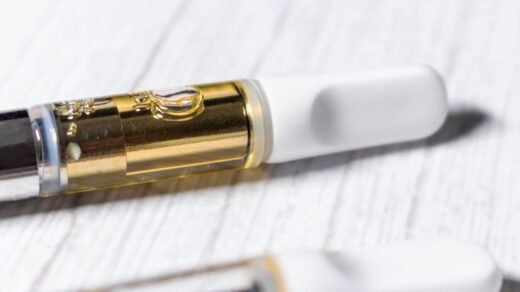
Walk into any type of dispensary or hemp shop today and you will hear individuals discussing THCA flower as if it is either a miracle loophole or a worthless sugar pill. Neither story stands up as soon as you check out the chemistry, the legislations that mount it, and the means individuals actually use it. THCA beings in a liminal area: it is not psychoactive in its raw type, yet it can be transformed with a flick of a lighter. That in-between nature fuels complication, and complication welcomes myths.
I have actually worked with cultivators, laboratory techs, shop proprietors, and patients that utilize thca blossom for chronic discomfort and appetite concerns. I have also enjoyed a handful of states tighten up policies after a wave of unregulated items hit the racks. The patterns repeat. Misconceptions get louder whenever the product’s tag language, lab information, and lawful interpretations wander apart. If you want to make an audio option, the repair is rather simple: comprehend what the product is, what happens when warmth strikes it, and what obligations rest on both sides of the counter.
This overview deals with one of the most common myths I listen to and replaces them with sensible, testable facts. Where the information are still developing, I claim so and describe the compromises.
Myth 1: “THCA flower does not get you high.”
There is a kernel of truth right here. THCA, or tetrahydrocannabinolic acid, is the acidic precursor to THC that cannabis plants generate in abundance. THCA itself does not bind efficiently to CB1 receptors in the brain, which is why juicing raw marijuana or chewing a bud will not develop a classic high. Consume raw thca flower and you will likely really feel absolutely nothing psychedelic, apart from sugar pill or probably minor effects from terpenes.
Heat changes the story. When you use heat, THCA decarboxylates, implying it loses a carboxyl team and converts to delta-9 THC. That conversion takes place throughout smoking, vaping, and cooking. It additionally occurs gradually gradually at room temperature level. To put it simply, the very same blossom that feels benign raw becomes psychedelic the moment you light it. Laboratory computations commonly estimate prospective THC by applying a conversion element to determined THCA, usually concerning 0.877, because the decarboxylation procedure drops mass as carbon dioxide leaves the molecule.
The bottom line: in its raw state, THCA will certainly not get you high. Utilized the means most people use flower, it will.
Myth 2: “THCA blossom is lawful almost everywhere.”
“Legal” for THCA rests on exactly how a jurisdiction defines hemp and cannabis, how it measures THC, and whether it evaluates flower pre- or post-decarboxylation. Under the 2018 United State Farm Bill, hemp is defined as marijuana without any more than 0.3 percent delta-9 THC by dry weight. That language focuses on delta-9 in the plant material as marketed. Several hemp-derived THCA flowers fulfill that threshold prior to home heating, even though they bring high THCA that will certainly transform to THC when smoked.
States split in how they deal with that truth. Some control based on overall THC, that includes transformed THCA. Others impose limitations only on gauged delta-9 at the time of testing. A 3rd group has actually moved to restrict or ban intoxicating hemp products regardless of the delta-9 tag value, pointing out public security problems. Significantly, enforcement is not just about statutes theoretically. It also depends upon how regional labs test, exactly how retail assessments run, and whether law enforcement deals with thca blossom as cannabis once it is combusted.
If you reside in a state with a mature adult-use program, dispensaries typically market THCA-rich flower within that system as cannabis, not hemp. In states without adult-use marijuana, some shops market thca blossom as hemp. That can be authorized under a delta-9-only requirement, yet still risky if a police officer or court applies a “complete THC” analysis. Travelers encounter a lot more threat, since a flawlessly lawful acquisition in one state can become prohibited ownership in one more, particularly in school areas, near government land, or in airports.
Two practical tips issue right here. Initially, check out the label and the certificate of analysis, and see whether it reports overall THC alongside delta-9. Second, do not assume a website’s banner case equates to lawful resistance. Regulations change quick, and conformity activates your local regulations, not national advertising and marketing copy.
Myth 3: “THCA blossom is just rebranded low-grade weed.”
Most industrial marijuana cultivars are THCA-dominant in their raw state, whether they wind up on a “marijuana” shelf or a “hemp” shelf. Utilizing the plant’s chemistry to say quality misunderstands. High quality has more to do with expanding methods, curing, terpenes, dampness web content, and post-harvest handling than with the label “THCA.” I have seen “hemp” thca blossom with tight structure, intense terpene profiles, and tidy lab work that topped inadequately grown dispensary blossom. I have likewise seen the reverse.
What muddies the water is the supply chain. Some vendors buy mass biomass, spray it with added terpenes, and market it as premium. Others cut edges on drying, trap wetness, and welcome mold and mildew. Credible cultivators take care of harvest timing, slow-cure in controlled areas, trim easily, and shop at correct humidity. They provide full-panel lab examinations and batch-specific COAs, not generic PDFs. Stores who demand that documents aid lift the market; those who chase just price tend to flood it with rough product.
Judge thca blossom the same way you would certainly evaluate any kind of marijuana: look at nose, trichome insurance coverage, trim top quality, bud structure, and lab results. The tag classification tells you where it can be sold, not whether it was expanded well.
Myth 4: “Laboratory examinations for THCA blossom don’t matter.”
They matter more than the majority of people recognize. With thca flower, laboratories must examine for cannabinoid account, terpenes, dampness web content or water task, chemicals, heavy steels, residual solvents if removes were entailed, microbials, and mycotoxins. A COA that only lists cannabinoids is not a complete photo. Water task over about 0.65 raises the threat of mold growth. Raised cadmium or lead, which can take place from dirt or plant foods, is a severe health hazard when inhaled. Pesticide deposits like myclobutanil can produce hazardous results under heat.
I have seen batches with lovely fragrance fail microbial standards, and batches with tidy microbials suffer from hefty steel contamination. Both are fixable at the ranch level via dirt screening, clean inputs, and dry-room technique, not at the consumer phase. A scan of the COA needs to show set number, dates, and technique. If the QR code leads no place, that is a flag. If the lab name is strange, search for accreditation. And if total THC is omitted in a territory that requires it, ask why.
THCA items likewise deteriorate in the container. Over weeks and months, some THCA decarboxylates on its own, particularly if saved cozy. That changes the cannabinoid account and might push a certified batch out of conformity. Sellers that rotate stock rapidly and keep cool storage space supply even more consistent experiences. That is why days matter on COAs and why old stock often hits more challenging than expected.
Myth 5: “You can dosage THCA flower precisely.”
You can estimate, not dose like a tablet. The decarboxylation from THCA to THC is insufficient and depends on temperature level, period, and device. Smoking a joint decarbs in a different way from a convection vaporizer or a slow-baked edible. A lab can calculate “prospective THC” making use of a typical variable, yet your real-world conversion might be lower or higher. If your gadget runs warm, you may burn terpenes and transform THCA promptly. If it runs cooler, you may leave some THCA unconverted, decreasing potency.
Tolerance complicates things. A newbie might feel solid impacts from 2 to 3 mg of inhaled THC, while an everyday customer may need 10 to 20 mg per session. Two bowls from two various containers identified at the very same THCA percentage can strike in a different way as a result of terpenes like myrcene or limonene that modulate regarded intensity, and as a result of tiny variations in dampness and work. If you need milligram-level precision, blossom is not your best course. Casts and edibles with validated total THC give tighter control, at the cost of slower beginning and longer duration.
Practical dosing with thca blossom follows an easy pattern: take a couple of mild inhalations, wait 10 to 15 minutes, and see where you are. For edibles made from thca flower, test your decarb in the oven utilizing a thermometer you count on, after that titrate low, increase slowly, and take notes.
Myth 6: “THCA is non-intoxicating, so it is risk-free.”
Non-intoxicating in raw type does not equivalent risk-free in technique. A lot of individuals warm thca blossom, and heated flower is intoxicating. Driving, operating machinery, or making safety-critical choices intoxicated is dangerous and prohibited in lots of locations. Individuals with a history of psychosis or specific cardio conditions need to approach any THC exposure carefully, preferably with clinical guidance. Communications with drugs are possible, specifically with medications metabolized by CYP450 enzymes. While significant issues are uncommon, they are not imaginary.
There is likewise the lung wellness concern. Combustion generates tar and damaging byproducts. If your goal is to lower harm, choose a tidy vaporizer, maintain temperatures moderate, and prevent makeshift gadgets. If you rely upon thca flower daily for sign alleviation, consider regular breaks, hydration, and lung-friendly shipment like tinctures for standard control, with inhalation scheduled for development needs.
Finally, the legal risks are actual. Also a compliant hemp thca purchase can create problem if lugged onto federal property or throughout state lines into a more stringent routine. Insurance coverage, employment medicine screening, and youngster custodianship instances sometimes treat any THC exposure as a trouble. If your source of income hinges on an adverse test, keep in mind that decarbed THC metabolites can cause standard testing, and the lab will certainly not care whether the source was “hemp.”
Myth 7: “THCA blossom and delta-8 are the same point.”
They are not. Delta-8 THC is a positional isomer of delta-9, usually made by chemically transforming CBD isolate. THCA flower is raw plant material rich in THCA that transforms to delta-9 when heated up. The supply chains, chemistry, and threat profiles differ. Delta-8 products are often distillates in carts or edibles, in some cases with recurring acids or solvents if poorly made. THCA blossom, when heated up, supplies mainly delta-9 THC together with the plant’s native terpenes and small cannabinoids.
Consumers report that delta-8 feels gentler and less anxious than delta-9 at equivalent doses, though that varies commonly. THCA flower straightens with the classic cannabis experience once decarbed. If you are picking in between them, determine based upon preferred impact, your resistance, and item high quality. Do not assume guidelines that put on one classification instantly cover the other.
Myth 8: “All THCA flower is produced equal.”
Genetics drive cannabinoid ceilings and terpene accounts. Atmosphere forms expression. Taking care of maintains or destroys what the plant worked to create. 2 cultivars with the same THCA percentage can supply various experiences since terpenes alter the tone of the high and might influence absorption. A pressure heavy in beta-caryophyllene and linalool may feel relaxing, while one dominated by terpinolene can really feel intense and heady.
Growers face compromises. Promoting maximum THCA can emphasize plants and welcome pests. Hefty feeding can blow up yields but leave fertilizer residues if not purged and cured effectively. Reducing prematurely preserves lighter terps however sacrifices effectiveness. Reducing too late dangers oxidized terpenes and sleepy impacts. Drying also quick generates hay notes; drying too sluggish invites mold and mildew. Constant top quality requests for limited environmental protection, tidy inputs, and patience, which set you back money. That is why outstanding thca blossom is not affordable and bargain jars often disappoint.
If you want a repeatable experience, purchase by batch, not simply by strain name, and stick to manufacturers who release in-depth COAs and harvest dates.
Myth 9: “Decarbing THCA is basic: simply blast it.”
Heat does greater than transform THCA. It forms flavor, head feeling, and performance. Evaporation temperature issues. At around 315 to 350 ° F, lots of monoterpenes volatilize and you obtain a bright, flavorful vapor with a lighter hit. Raise the temperature level to 375 to 410 ° F and you boost THCA conversion and potency, yet you begin to boring the flavor and danger cruelty. Previous that factor, you are courting combustion and tar. Transmission vapes that prepare the dish constantly can overshoot, while convection vapes offer you better control.
For edibles, the common recommendations to decarb at roughly 220 to 240 ° F for 30 to 45 mins is a starting point, not scripture. Stoves vary. Spread material in a slim layer, make use of a stove thermometer, and accept that a kitchen area arrangement will be imprecise. If your goal is a balanced high with maintained terpenes, much shorter decarb and reduced baking temperature levels can aid, though you might give up some effectiveness. If your objective is maximum THC, a complete decarb followed by mixture in a secured container or sous-vide can restrict terpene loss while enhancing conversion.
Small changes in process create recognizable distinctions in outcome. Deal with decarb like cooking: time, temperature, and method make the meal.
Myth 10: “If the tag claims 28 percent THCA, it is more powerful than 22 percent.”
Potency labels aid, but they do not forecast your experience on their own. Flower listed at 28 percent THCA can feel level if terpenes have vaporized or oxidized. An additional set at 22 percent with a robust terpene account can really feel louder and extra complete. The entourage result is not a license to make wild insurance claims, yet it catches an actual phenomenon: cannabinoids and terpenes interact to shape effect.
Moisture material affects burn and thickness. A dry bud can really feel severe and quick, leading people to take smaller smokes and eventually soak up less THC than the tag would certainly suggest. A correctly humidified bud burns cooler and lets you take in extra pleasantly. Grind size changes surface and air flow, which subsequently alters vaporization. Also the glass you make use of can modulate warm. That is why “greatest” theoretically is not constantly “strongest” in your lungs.
If you are seeking a specific end result, track what benefit you past the number: terpene profile, cultivar, time of day, and delivery method.
Myth 11: “THCA flower is just for people chasing after a lawful high.”
Many individuals and health users acquire thca flower due to the fact that it is what they can access in your area, not since they are pc gaming the system. They desire foreseeable remedy for discomfort, nausea or vomiting, convulsions, or sleep problems, and they choose inhalation for its quick onset and simple titration. Some find that thca flower supplies relief without the hefty sedation they feel from edibles. Others value the full spectrum account compared to single-molecule products.
That said, access with the hemp network welcomes a different target market as well, consisting of individuals that just appreciate marijuana where adult-use stores do not exist. Legislatures are trying to resolve those facts. The result is a patchwork of legislations that can shift within months. Responsible vendors that age-verify consumers, label accurately, and supply education aid maintain the category feasible. Irresponsible ones, that sell to minors or misstate effectiveness, speed up crackdowns.
Users that require constant clinical end results must still seek clinical advice where available. Physicians that recognize cannabis can help avoid medication interactions and recommend delivery paths that fit your condition, like inhalation for innovation pains and dental for extended relief.
How to choose thca flower wisely
You do not need a lab coat to make much better selections. A brief, focused list can conserve you time and frustration.
- Look for a batch-specific COA that consists of cannabinoids, terpenes, microbials, heavy steels, chemicals, and water activity.
- Check harvest and examination days, aiming for current sets stored properly.
- Inspect the bud: undamaged trichomes, clean trim, no seeds, and no verdant or ammonia smell.
- Verify seller methods: age-gating, storage, and team that can clarify COAs without hand-waving.
- Start with tiny quantities to examine just how the set performs for you before equipping up.
Storage misconceptions: “A great closet is plenty, containers are all the same.”
Storage is not practically maintaining buds out of sunlight. Temperature level, humidity, and oxygen shape effectiveness and flavor with time. Heat speeds up decarboxylation and terpene dissipation. Dry air draws moisture from the bud, making it extreme and weak. Excess moisture invites mold. Oxygen gas oxidation, which dulls aroma and can transform THC to CBN, including a drowsy cast.
Glass jars with good seals are much better than bags, however not all glass is equivalent. Thin lids leakage. Wide openings invite frequent oxygen exchange. If you open up the container daily, you eliminate most advantages of an excellent seal anyway. Moisture packs help maintain water activity around 0.55 to 0.62. A cool cabinet is workable if you keep temperature level swings small. A refrigerator is dangerous as a result of condensation when you take the container out. A stable, dark space in the mid-60s Fahrenheit is a practical target. For long holds, vacuum-sealed glass with oxygen absorbers minimizes oxidation, yet that level of care is overkill for a lot of customers that rotate stock within a couple of weeks.
Do not keep blossom next to fragrant foods or cleaning products. Terpenes are volatile and will certainly share space in the jar with any kind of solid https://thca-flower-trimming-guide.mintmatrix.net/unveiling-premium-thca-flowers-natural-power-and-wellness-uses/ ambient odors.
Where the study stands
Academic research on THCA hangs back THC and CBD. Preclinical job recommends THCA might have anti-inflammatory and neuroprotective residential or commercial properties, yet equating that right into human application and results will require time. A lot of professional proof on discomfort, spasticity, and queasiness still fixates THC, CBD, or nabiximols. That does not indicate THCA lacks worth. It indicates we must be cautious regarding vibrant health claims and count on individual trials framed by common-sense safety and truthful labeling.
If future studies verify distinctive, non-intoxicating take advantage of raw THCA, items made to maintain the acid form without warmth will matter a lot more. For now, the frustrating majority of thca blossom usage includes heating and as a result fixates THC’s effects.
What regulators get right and wrong
The smartest policies I have seen concentrate on accurate screening, age restrictions, and sincere advertising instead of covering restrictions. They call for complete THC disclosure where relevant, mandate full-panel safety and security examinations, and implement child-resistant packaging. They additionally specify “intoxicating hemp” clearly, so vendors can not exchange terms and skirt intent.
The clumsiest regulations focus on arbitrary limits without recognizing just how people really use the product. A container that evaluates at 0.25 percent delta-9 but 24 percent THCA is functionally intoxicating when smoked. Acting otherwise welcomes confusion on the street and in court. On the other hand, overbroad bans press commerce underground, where labs and tags disappear and customers birth the threat alone.
As a customer, you can not revise statutes, however you can sustain shops and brands that operate with openness. In time, markets flex towards the drivers that can pass a surprise audit and still hold a client’s trust.
A sensible playbook for first-time buyers
If you have never ever acquired thca flower and want a functional path, keep it simple.
- Verify legitimacy in your state, taking notice of “complete THC” vs “delta-9 only” rules and any kind of recent bills.
- Choose a credible retailer with batch-linked COAs and team that can answer particular questions.
- Start with a cultivar known for balanced effects and moderate THCA portion. Chase high quality, not just numbers.
- Use a tidy vaporizer with flexible temperature level around 350 to 390 ° F for your first sessions, then change based on feel.
- Keep notes on dose, gadget settings, and results over several days to locate your personal lane.
The genuine story behind the myths
Most misconceptions around thca blossom spring from among 3 areas: misconstruing the chemistry, overgeneralizing legal definitions, or assuming label numbers tell the whole tale of an experience. None of these errors are special to THCA. They turn up whenever a product straddles categories and advances between the shelf and the point of use. The option is not complicated, however it requests for interest. Read the COA. Respect the decarb. Maintain your setup tidy. Know your regional regulations. Purchase from individuals who exist after the sale if something goes sideways.
Handled well, thca flower is a genuine path to the timeless cannabis experience, sold with channels that are still developing. Handled terribly, it can be a lawful frustration, an extreme smoke, and a dissatisfaction. The difference lives in the details you can see and the ones you can really feel after a solitary session. If you deal with those information with the treatment they should have, the misconceptions fade and the plant speaks for itself.